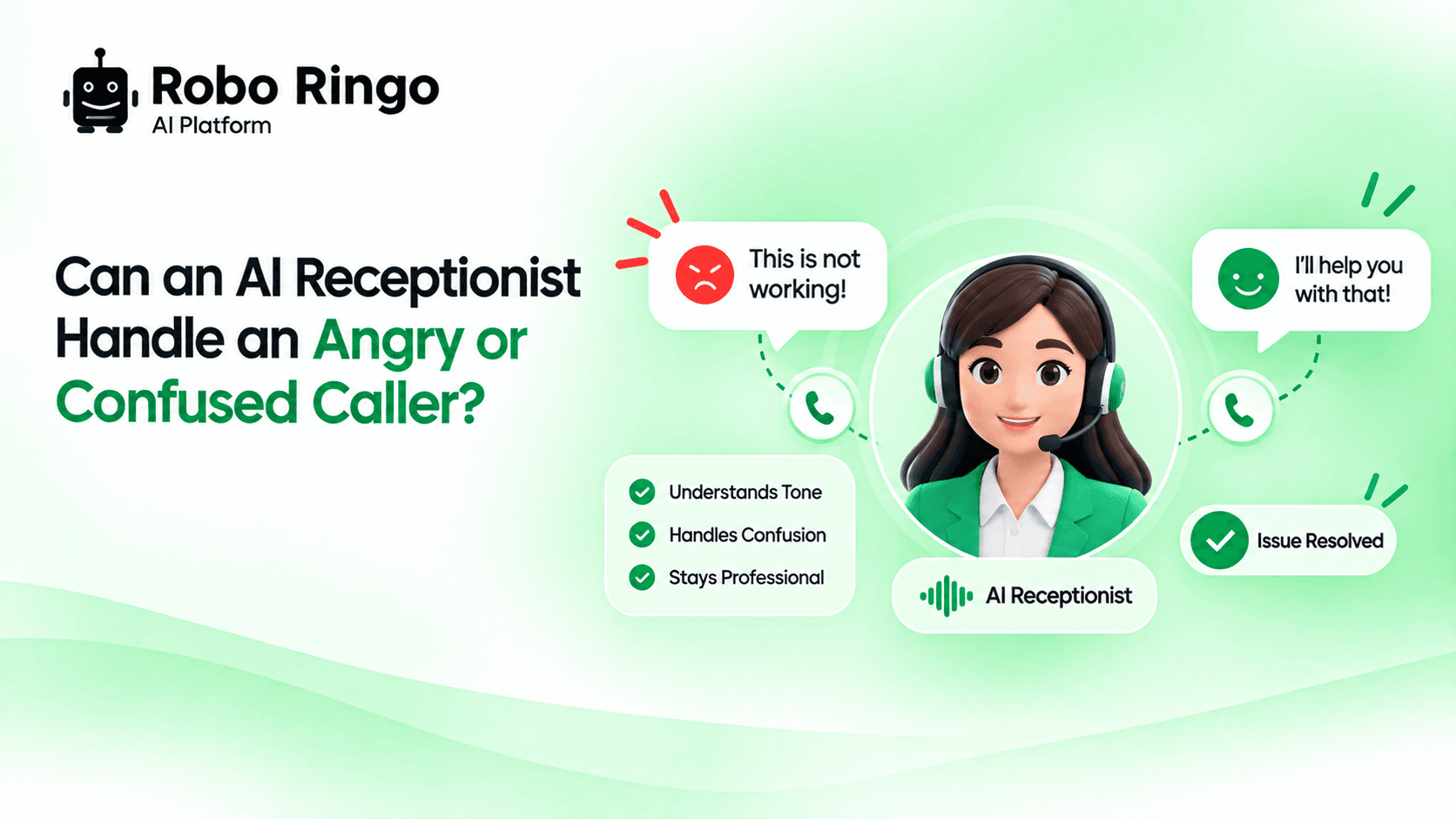
Can an AI Receptionist Handle an Angry or Confused Caller?
Angry, confused, or upset callers are the real test for an AI receptionist. See how it handles them, when it should hand off to a human, and what to configure.
Read articleExpert articles on AI receptionists, voice agent platforms, and enterprise call automation — written for teams that want to make smart buying decisions, not just follow trends.
17 blogs published

Angry, confused, or upset callers are the real test for an AI receptionist. See how it handles them, when it should hand off to a human, and what to configure.
Read article
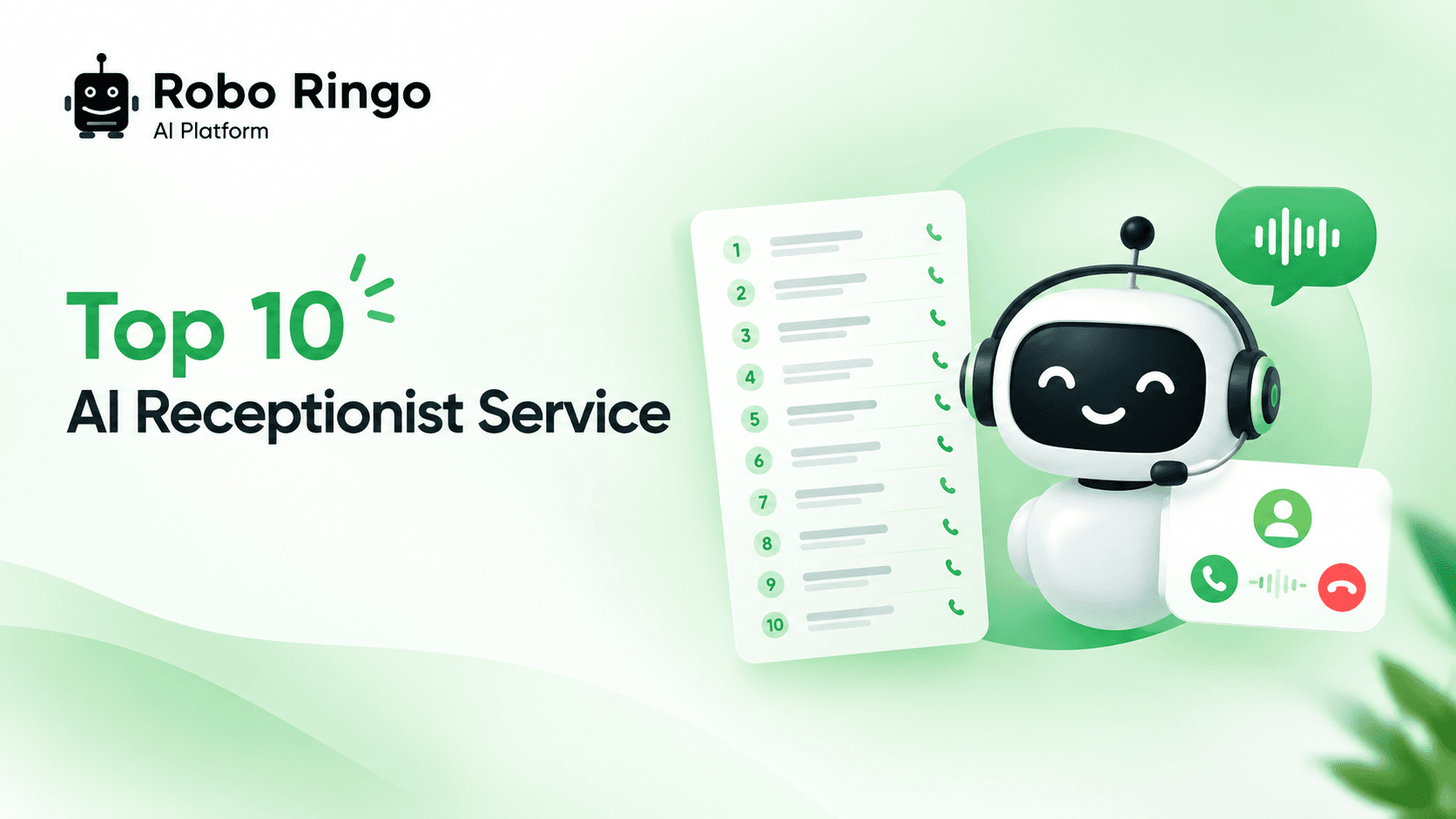
Can callers tell an AI receptionist from a human? Here's what the research says, what disclosure rules apply in 2026, and how to handle it honestly.
Read article
If you're comparing AI receptionist services in 2026, here's the short answer: RoboRingo is the strongest overall pick because it's the only platform on this list that unifies calls, SMS, WhatsApp, and a built-in CRM into one AI-native system.
Read article
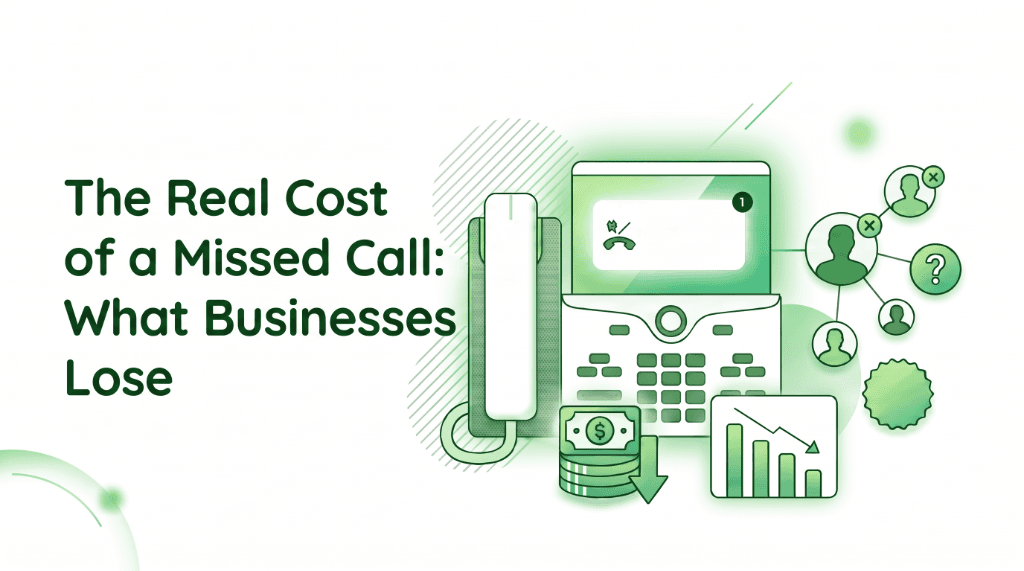
For most businesses, a missed call means a missed sale. For a medical practice, it can mean a missed diagnosis follow-up, a patient who needed a same-day appointment and went to urgent care instead, or a new patient who called a competitor within minutes.
Read article
You are mid-sentence highlighting the gorgeous quartz countertops of a new listing when your phone vibrates in your pocket. Do you ignore the call and risk losing a hot new buyer lead, or do you interrupt the current showing? It's the classic real estate dilemma.
Read article
Discover how multi-location franchises and businesses implement centralized AI call coverage to handle high call volumes consistently without proportional headcount growth.
Read article
Building an enterprise AI receptionist in-house typically costs $250,000–$2 million in the first year and takes 4–9 months to reach production. Buying a managed platform costs a fraction of that, usually five figures rather than six or seven, and goes live in days to weeks.
Read article
AI voice technology has moved beyond basic automated answering. Enterprises are now using AI call platforms to handle conversations, qualify leads, route calls, schedule appointments, and trigger business workflows.
Read article
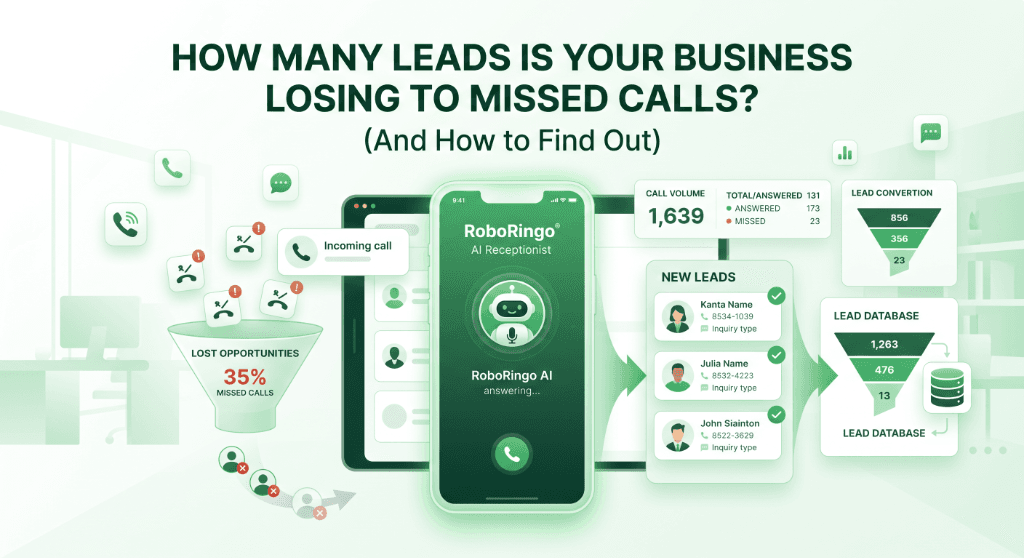
Find out exactly how many leads your business is losing to missed calls, how to calculate your lost revenue, and why traditional voicemail is no longer enough to save those opportunities.
Read article
Most callers hang up when they reach a voicemail prompt. Discover how relying on traditional voicemail hurts your business and what to do about it.
Read article
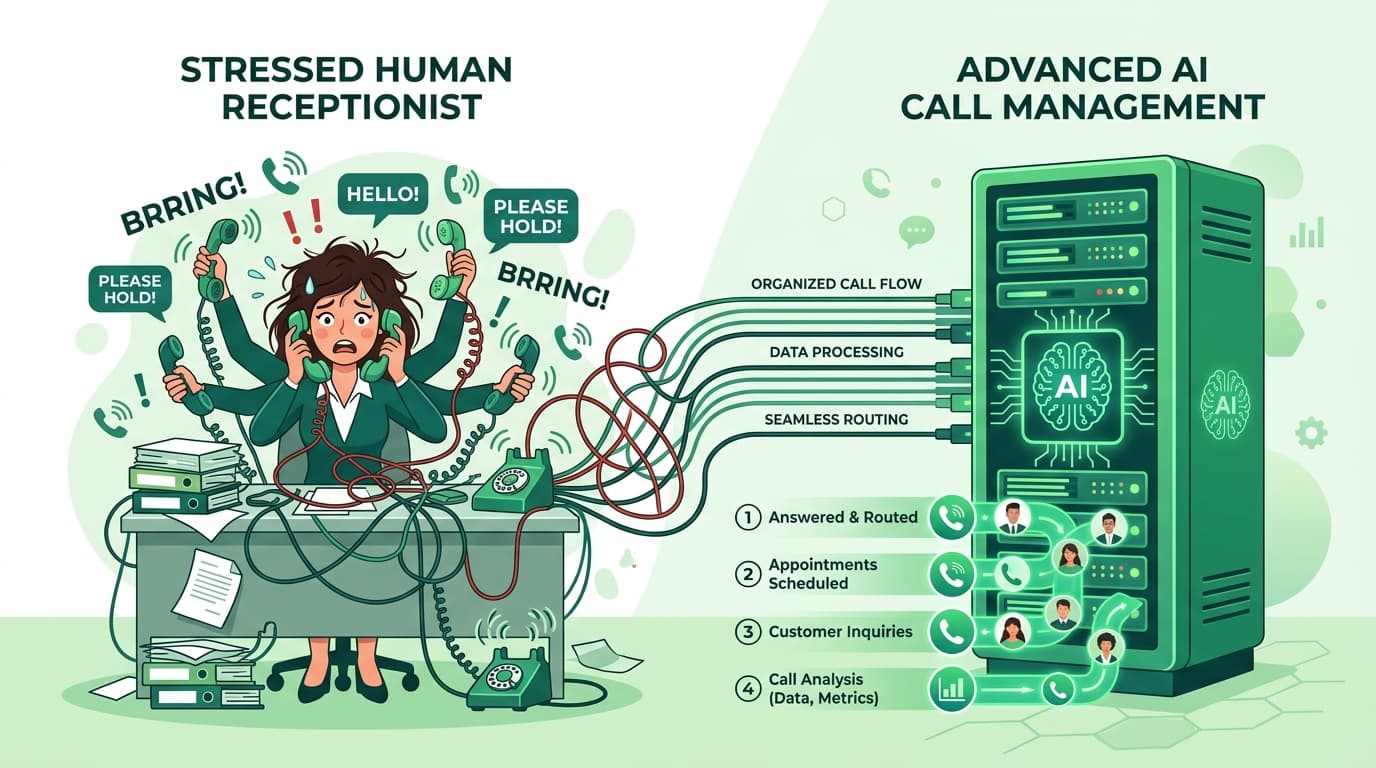
Front desk burnout is a hidden business risk. Learn how to identify receptionist overload and explore modern AI solutions that reduce stress and improve retention.
Read article
Discover the devastating financial impact of long hold times, and learn why an AI communication platform is the ultimate solution to capture every lead during high-volume surges.
Read article
Learn why adding headcount doesn't fix the call volume problem, and explore scalable AI solutions to capture overflow calls without extra front desk staffing costs.
Read article
Most businesses don't track how many calls they miss, which is exactly why the number is so easy to underestimate. Industry research puts the average small business loss at roughly $126,000 a year from missed calls alone.
Read article
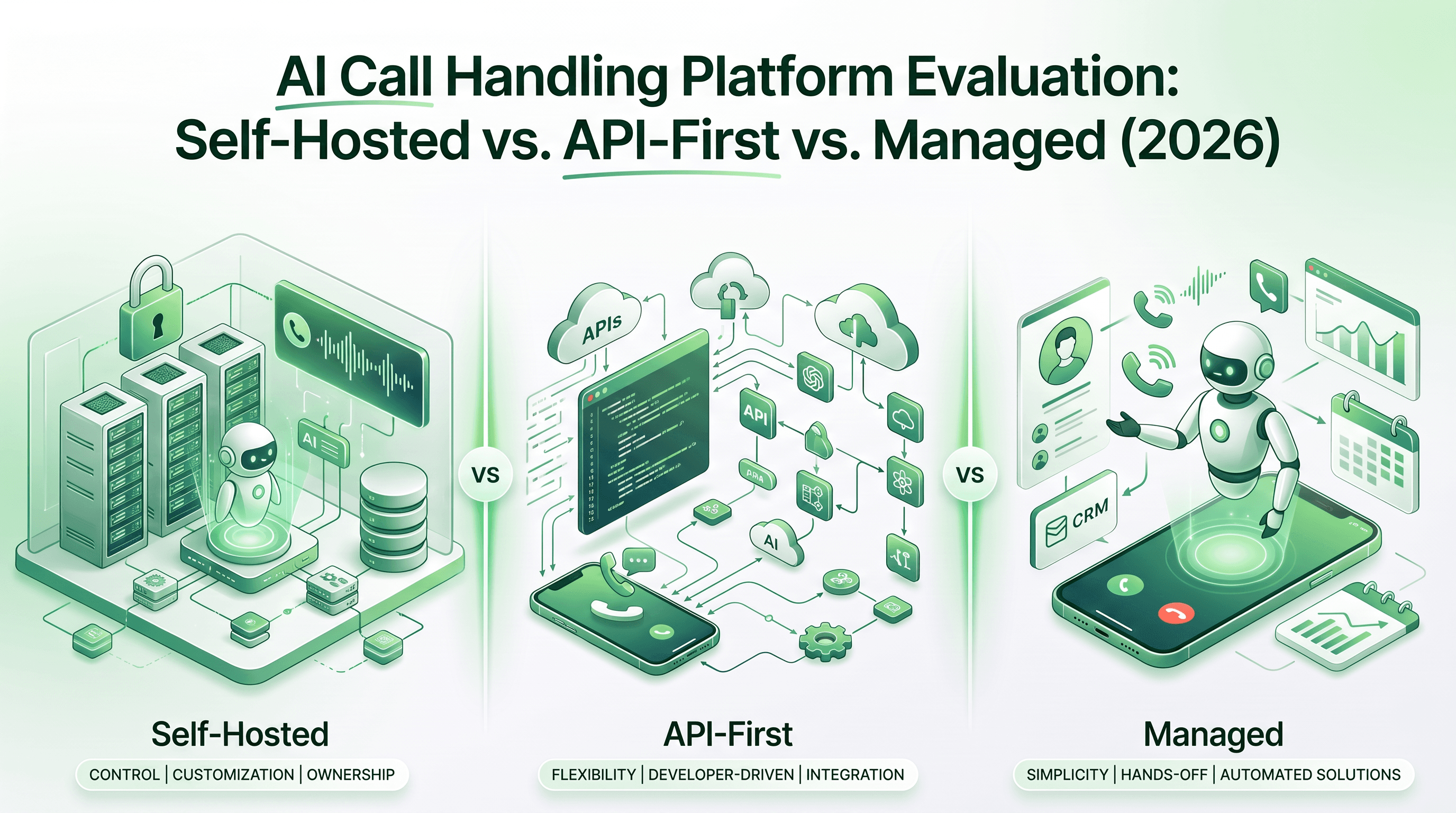
Every enterprise AI call handling platform falls into one of three deployment models. Vendors rarely lead with this distinction — but it usually determines your total cost, time to launch, and how much compliance burden lands on your team.
Read article
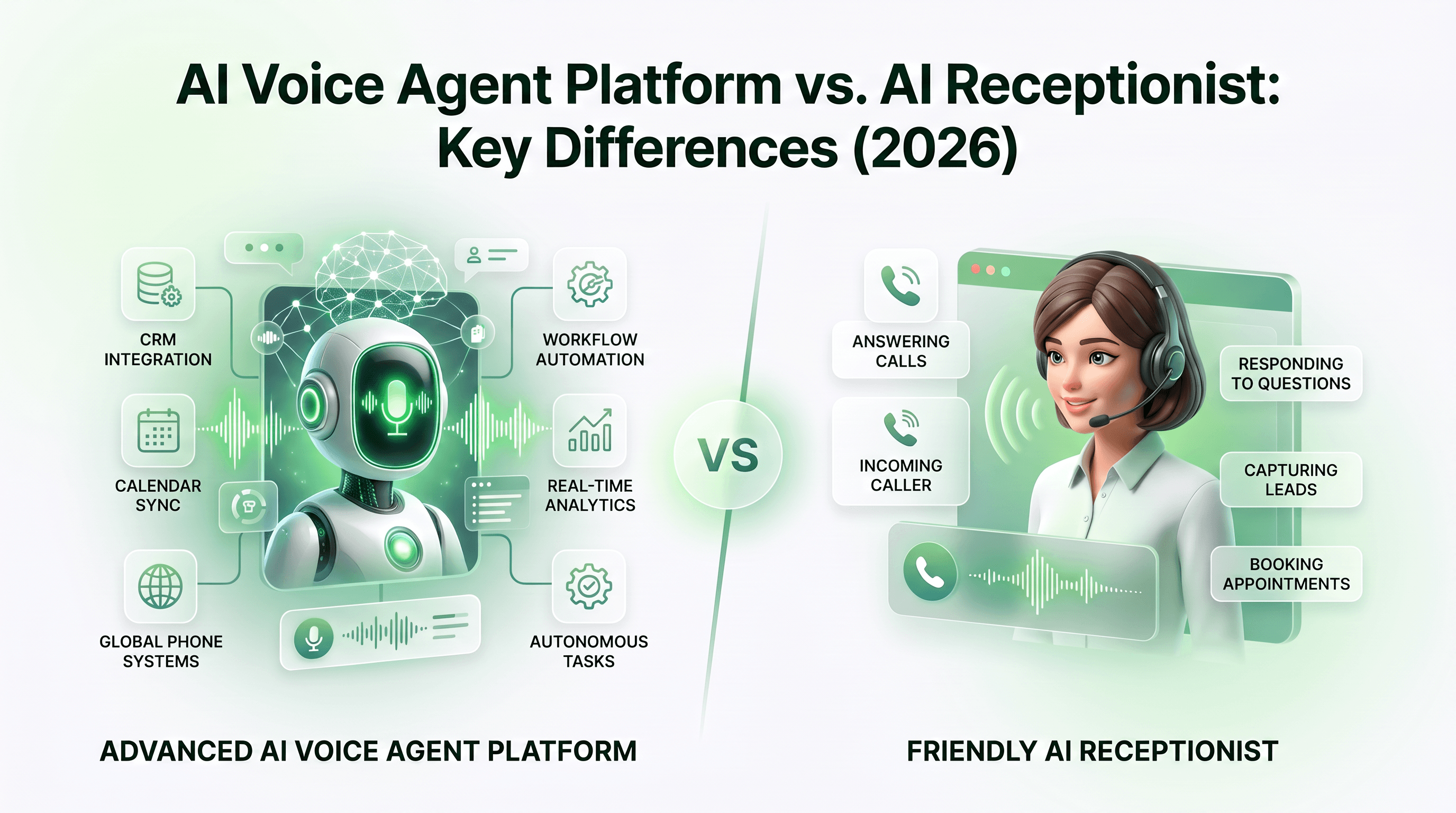
An AI receptionist is a narrow, purpose-built tool that answers calls and routes them. An AI voice agent platform is broader infrastructure that can be configured for dozens of call flows. Here's how to tell which one you're actually buying.
Read article
Most AI receptionist evaluations focus on the wrong ten seconds. The problems that actually cause rollouts to fail — compliance gaps, integration dead ends, hidden overage costs — don't show up in a demo at all.
Read article