The true cost of understaffed phone lines during peak hours is devastating to a business's bottom line. When call volume surges beyond human capacity, it immediately translates to missed bookings, skyrocketing hold-time abandonment rates, and highly frustrated customers who will eagerly leave negative reviews. Because these lost opportunities are often untracked, many businesses bleed revenue silently, completely unaware of the thousands of dollars slipping through their overloaded phone systems every week.
Table of Contents
- The Anatomy of a Peak-Hour Call Surge
- Calculating the Cost of Missed Calls During Peak Hours
- The Silent Damage: Reputation and Abandonment
- Scaling Up: The AI Communication Platform Solution
- Why You Need a Unified Business Communication Platform
- Replacing the PBX: The AI Business Phone System
- Adding Staff vs. Adopting AI
- Frequently Asked Questions
The Anatomy of a Peak-Hour Call Surge
Every business has predictable windows where inbound traffic spikes dramatically. For a medical clinic, it might be 8:00 AM on a Monday morning when patients rush to schedule appointments. For a restaurant, it might be the 5:00 PM to 7:00 PM dinner rush. For a home services contractor, it might be immediately following a local weather event.
Peak-hour call volume is the maximum concentration of inbound telephone calls a business receives within a condensed timeframe, typically overwhelming standard operational capacity.
When a business staffs its front desk for "average" volume, these peak-hour spikes inevitably break the system. A receptionist can only speak to one person at a time. If three people call simultaneously, two are placed on hold. If those two people are on hold for more than a minute, data shows they will likely hang up. This creates a cascade of failure where marketing dollars are actively driving leads to a phone line that nobody can answer.
Calculating the Cost of Missed Calls During Peak Hours
The cost of missed calls during peak hours is not an abstract concept; it is a measurable financial loss. If you run a marketing campaign that successfully generates interest, but your phone lines are busy when the prospects call, you have effectively burned that marketing budget.
Here is a simple process to identify your peak-hour gaps and calculate the lost revenue:
- Map Your Call Data: Pull a report from your current PBX or VoIP provider showing inbound call volume broken down by hour.
- Identify the Spikes: Locate the 2-3 hour windows where call volume is consistently at its highest.
- Measure the Abandonment Rate: Look at the percentage of calls dropped or sent to voicemail during those specific peak windows.
- Apply Conversion Metrics: Multiply the number of peak-hour abandoned calls by your average conversion rate and your average ticket size.
If a local dental office misses just four calls during the Monday morning rush, and two of those were potential new patients looking for a cleaning and exam ($300 value each), the practice just lost $600 in a single morning. Annualized, that is over $30,000 in lost revenue from a single peak-hour window, entirely due to an understaffed desk.
The Silent Damage: Reputation and Abandonment
Beyond direct revenue loss, understaffing inflicts severe damage on a brand's reputation.
Call abandonment rate is the metric measuring the percentage of callers who disconnect before speaking to an agent or having their issue resolved.
According to industry benchmarks, the average consumer will wait on hold for a maximum of one to two minutes before hanging up. When a caller abandons a call out of frustration, they do not simply forget the experience. They take their business to a competitor, and often, they leave a negative online review citing "terrible customer service" or "impossible to reach."
Scaling Up: The AI Communication Platform Solution
Traditionally, the only way to solve peak-hour understaffing was to hire part-time staff or outsource to an answering service. Both are deeply flawed. Part-time staff are notoriously difficult to hire, train, and retain. Outsourced call centers are often rigid, lack context about your specific business, and provide a subpar, heavily-scripted customer experience.
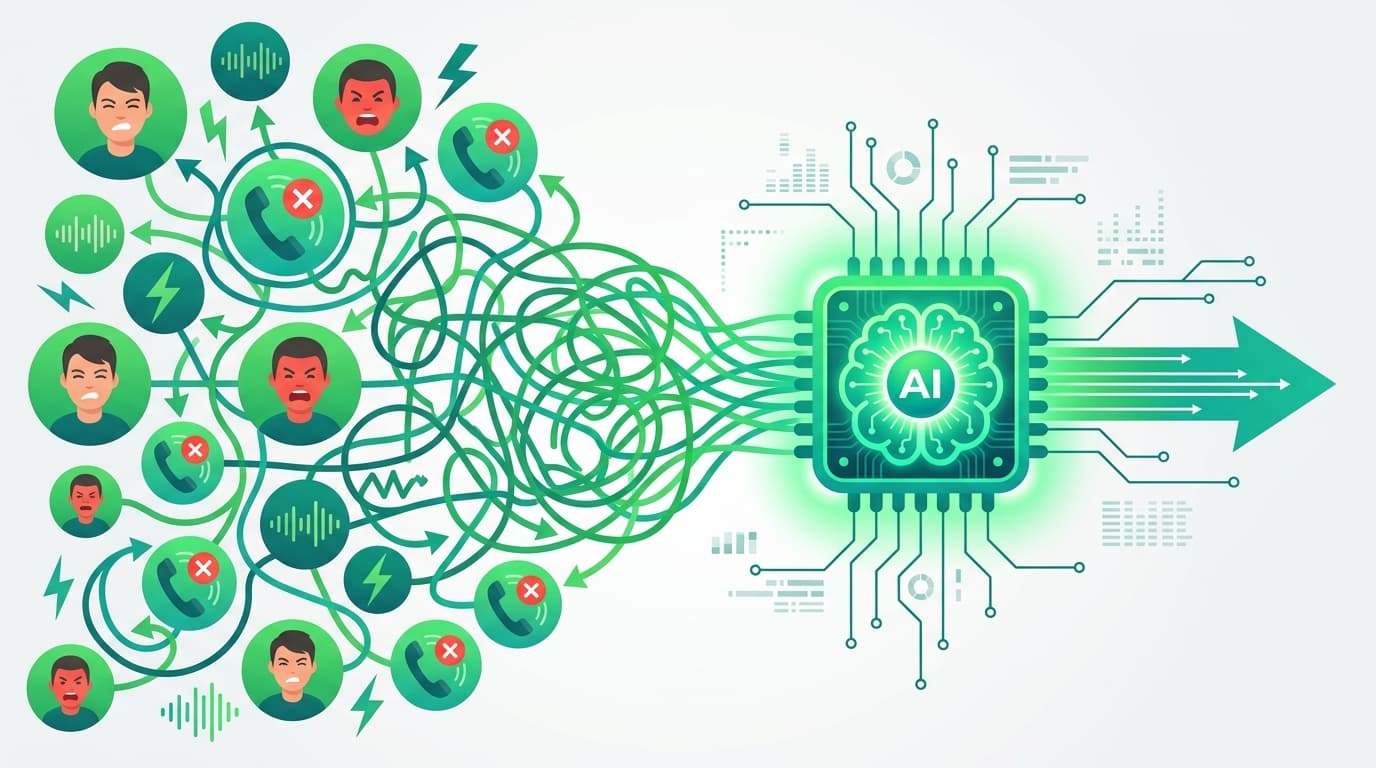
The modern, scalable fix is adopting an AI communication platform. By deploying an AI phone receptionist to the front lines of your business, you instantly gain unlimited concurrent call capacity. When Monday morning hits and ten calls arrive at exactly the same second, the AI platform simply spins up ten simultaneous digital agents to answer every single caller on the first ring. The concept of "holding" is entirely eliminated.
Why You Need a Unified Business Communication Platform
Solving the phone problem is critical, but modern consumers also reach out via SMS, web chat, and social media. When these channels are siloed, front-desk staff must frantically jump between a desk phone, a mobile device for texting, and a computer for web inquiries. This fragmented workflow exacerbates the peak-hour bottleneck.
A true business communication platform consolidates all of these channels into a single, intelligent interface. If an AI agent cannot fully resolve a complex issue on the phone, it can seamlessly transition the conversation to SMS or route it to a human staff member with the full context attached. This ensures that your human team is only spending their valuable time on high-leverage, complex conversations, rather than answering basic "What are your hours?" questions during a rush.
Replacing the PBX: The AI Business Phone System
Many businesses attempt to bolt automated answering services onto legacy PBX systems, resulting in clunky transfers and poor audio quality. To truly modernize operations, forward-thinking companies are migrating entirely.
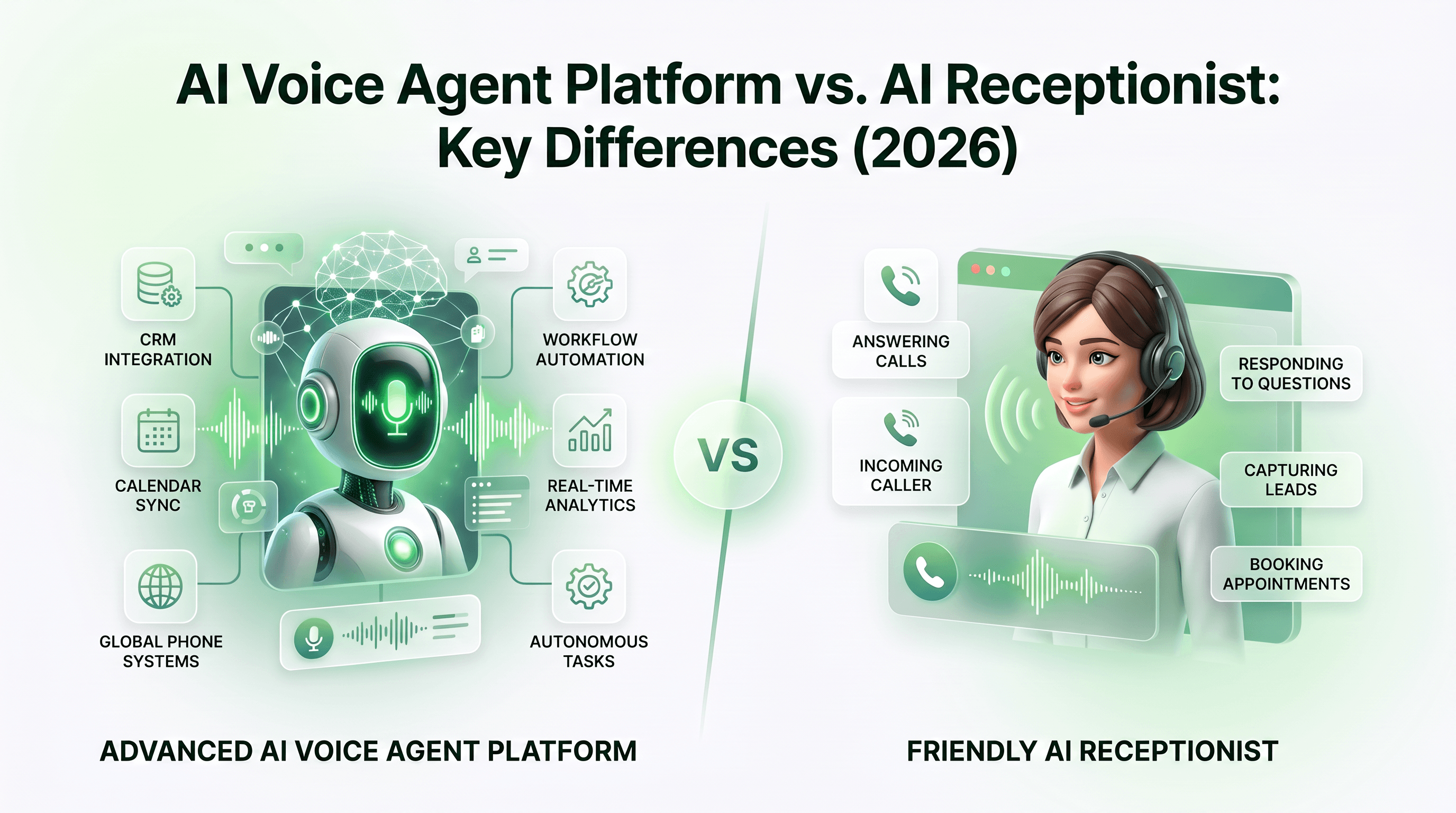
An AI business phone system replaces the outdated desk phone hardware and rigid VoIP menus with a cloud-native infrastructure built explicitly for artificial intelligence. This setup allows for deep integrations with your CRM, enabling the AI to look up caller profiles in real-time, book appointments directly onto your calendar, and trigger post-call automation workflows—all without a human lifting a finger.
Adding Staff vs. Adopting AI
To fully contextualize why throwing human labor at peak-hour spikes is inefficient, consider this comparison:
| Feature | Adding Staff for Peak Hours | AI Communication Platform |
|---|---|---|
| Cost Structure | High fixed cost (salary, benefits, taxes) | Low variable cost based on <a href="https://roboringo.com/pricing">virtual receptionist pricing</a> |
| Scalability During Spikes | Fails if volume exceeds headcount | Elastically scales to unlimited calls |
| After-Hours Coverage | None (Requires separate shift) | True 24/7/365 coverage included |
| Consistency | Prone to human error during stressful rushes | Flawless execution on every call |
Frequently Asked Questions
Ready to stop losing revenue during your busiest hours?
Every call you miss during peak hours is a lead handed directly to your competition. With RoboRingo, every call is answered instantly regardless of volume, meaning no hold times, no missed spikes, and no lost revenue.